


If buying a home is one of your goals for 2027, now is the time to start preparing. And here's something I tell buyers all the time: You don't have to be ready to buy today to start making smart moves that will put you in a much better position when the right home comes along.
Whether you're purchasing your first home, moving up to something larger, downsizing, or relocating to the Sacramento area, the decisions you make before you start touring homes can make a big difference in how smoothly your purchase goes.
After years of helping buyers navigate the real estate market, I've seen people put themselves in a great position by planning ahead. I've also seen buyers make avoidable mistakes that cost them time, money, and sometimes the home they really wanted.
My advice? Don't wait until you find your dream home to get your ducks in a row. Here are my top do’s and don’ts if buying a home in 2027 is on your radar.
THE DO’S
What You SHOULD Do Before Buying a Home in 2027
1. Do Get Your Finances in Order Early
One of the biggest mistakes buyers make is waiting until they find a home they love to figure out their financing.
Start by reviewing your credit, paying down debt when appropriate, building your savings, and taking a realistic look at your monthly expenses. If your credit needs improvement or you need more time to save for a down payment, getting started early gives you time to make a plan.
Remember, your financial picture includes more than your mortgage payment. You'll also need to account for property taxes, homeowners insurance, utilities, maintenance, and unexpected repairs.
My advice: Give yourself a financial checkup now. A little preparation today can make a big difference when you're ready to purchase.
2. Do Talk to a Lender Before You Start House Hunting
You may have an idea of what you want to spend, but do you know what you actually qualify for?
A conversation with a reputable mortgage lender will help you understand your purchasing power, available loan programs, down payment requirements, estimated monthly payments, and closing costs.
And here's an important point: Just because a lender approves you for a certain amount doesn't mean you should spend that much.
I always encourage buyers to establish a monthly payment they are comfortable with, not simply shop at the highest price their lender approves.
My advice: Get pre-approved before seriously shopping for a home. You'll be better prepared to make an offer, and sellers will know you're a serious buyer.
3. Do Save More Than Just Your Down Payment
This is a big one! Buyers sometimes focus so much on saving for a down payment that they forget about the other expenses involved in purchasing a home.
Depending on your loan and transaction, you may need money for:
Down payment
Closing costs and prepaid expenses
Home inspections and pest inspections
Appraisal fees, if applicable
Moving expenses
Utility deposits and initial setup costs
Immediate repairs, maintenance, or improvements
You also want to have some savings left after closing. Trust me, you don't want to move into your new home and find yourself without a financial cushion.
My advice: Work with your lender to get a realistic estimate of the total cash you'll need to close, and plan to keep some reserves for after you move in.
4. Do Choose Your Real Estate Agent Before You Find Your Home
This is one of the most important pieces of advice I can give you.
A good real estate agent does much more than open doors and schedule showings. Your agent should be someone who understands the local market, knows how to evaluate comparable sales, can help you structure a competitive offer, understands the transaction process, and will look out for your best interests throughout the purchase.
In California, buyers should also understand the buyer representation agreement, including the services being provided, the length of the agreement, and how the agent's compensation works. Take the time to review these details and ask questions before signing.
You want an agent who communicates well, is accessible, knows the areas you're considering, and has the experience to help you navigate the unexpected.
My advice: Interview agents, ask questions, and find someone you trust before you're in a time-sensitive situation trying to submit an offer.
5. Do Research Neighborhoods, Not Just Houses
It's easy to fall in love with a beautiful kitchen, a gorgeous backyard, or a perfectly staged living room. But remember, you're buying more than a house. You're buying into a neighborhood and a lifestyle.
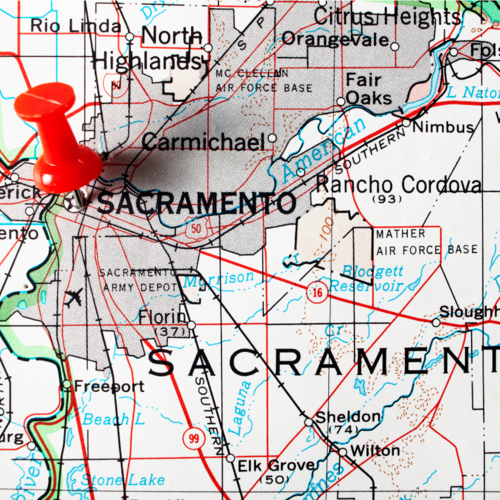
If you're considering buying in the Sacramento or Elk Grove area, spend time exploring the communities you're interested in.
Consider:
Commute times and access to major freeways
Nearby shopping, restaurants, and entertainment
Schools and school boundaries, if relevant to your household
Parks, walking trails, and recreation
Neighborhood amenities and community features
Homeowners association dues, if applicable
Special taxes and assessments, including Mello-Roos
Future development and nearby construction
Two homes with similar features and price points can offer very different lifestyles depending on their location.
My advice: Narrow down your preferred areas before you start seriously shopping. It will help you make a more confident decision when the right home comes along.
6. Do Know Your Must-Haves Versus Your Nice-to-Haves
Before you begin looking, make two lists.
Your must-haves are the features you truly need. Your nice-to-haves are the things you'd love to have but could live without.
For example, perhaps you need four bedrooms, a home office, and a specific commute distance. But a pool, a three-car garage, or an updated kitchen would simply be a bonus.
You may not find everything on your wish list in one home, especially if you're working within a specific budget.
My advice: Be realistic about your priorities and remain flexible. Sometimes the home that checks the most important boxes isn't the one that looks exactly like the home you originally envisioned.
7. Do Look Beyond the Cosmetic Features
A freshly painted home, beautiful flooring, and an updated kitchen can certainly make a great first impression. But don't let cosmetic updates distract you from the home's overall condition.
Pay attention to the age and condition of major components, including:
Roof
HVAC system
Plumbing
Electrical panel and wiring
Windows
Foundation and drainage
Water heater
Pest or wood-destroying organism concerns
Once you're in contract, take inspections seriously. A professional home inspection and any additional inspections recommended for the property can help you better understand what you're purchasing.
My advice: Don't skip due diligence just because a home looks beautiful. Understanding the condition of the property is just as important as loving the way it looks.
8. Do Understand the Entire Offer, Not Just the Purchase Price
When you find the right home, it's easy to focus on the number you're offering. But a strong offer involves much more than the purchase price.
Your offer may include:
Purchase price
Earnest money deposit
Financing terms
Down payment
Appraisal and loan contingencies
Inspection contingencies
Requested seller credits or repairs
Proposed closing date
Other terms that may matter to the seller
In a competitive situation, the details of your offer can make a difference. Your agent should explain the advantages, disadvantages, and potential risks of the terms you're considering.
My advice: Don't make decisions based solely on what you think will make your offer look attractive. Make sure you understand what you're agreeing to and what protections you may be giving up.
THE DON'TS:
Mistakes to Avoid When Preparing to Buy
1. Don't Make Major Financial Changes Before Closing
This is one of the biggest things I caution buyers about!
Once you're working with a lender, try to keep your financial situation as consistent as possible.
Avoid:
Buying a new car.
Opening new credit cards.
Financing furniture or appliances.
Making large purchases.
Changing jobs without first discussing the implications with your lender.
Moving large sums of money between accounts without documentation.
Even after your offer is accepted, your lender will continue reviewing your financial qualifications. A seemingly harmless purchase or financial change could affect your loan approval.
My advice: If you're planning to buy a home in 2027, keep your finances stable and talk to your lender before making major financial decisions.
2. Don't Assume You Need 20% Down
I hear this misconception all the time. Many buyers believe they can't purchase a home unless they have 20% saved for a down payment.
That's simply not true.
Depending on your qualifications, there may be conventional loan programs with lower down payment requirements, FHA financing, VA loans for eligible buyers, and other options.
There may also be down payment assistance programs available to qualified buyers.
The right loan depends on your individual financial situation, so don't rule yourself out before talking to a lender.
My advice: Explore your options before deciding homeownership is out of reach.
3. Don't Shop Based on the Maximum Amount You Qualify For
Just because a lender says you qualify for a $650,000 home doesn't mean you should spend $650,000.
Think about your lifestyle, monthly expenses, savings goals, travel plans, family needs, and the unexpected costs that come with homeownership.
You want to enjoy your home, not feel financially stretched every month just to afford it.
My advice: Set a comfortable budget and stick to it. Financial peace of mind is worth more than an extra bedroom or a larger kitchen.
4. Don't Fall in Love With a Home Before Understanding Its Value
I know how exciting it is to walk into a home and immediately picture yourself living there. But emotions can sometimes get in the way of making a sound financial decision.
Before submitting an offer, look at recent comparable sales, current competition, the home's condition, days on market, and overall market activity.
A home listed at $625,000 isn't necessarily worth $625,000, and a home listed at $600,000 isn't necessarily a bargain.
My advice: Let the market data guide your offer. It's important to be competitive, but it's equally important to make a smart purchase.
5. Don't Skip Inspections Just to Make Your Offer More Attractive
I understand that buyers want their offers to stand out, especially when competing against other buyers. But waiving inspections without fully understanding the risks can be a costly decision.
A home inspection can uncover issues you may not notice during a showing. Depending on the property, additional inspections for roofing, pest activity, plumbing, sewer, HVAC, or other concerns may also be appropriate. 
There are different ways to structure an offer, and your agent should explain the risks associated with the contingencies and timeframes you're considering.
My advice: Don't let the excitement of winning a home outweigh the importance of understanding what you're buying.
6. Don't Make Decisions Based on Headlines or Predictions About Interest Rates
If you've been following real estate news, you've probably seen plenty of predictions about where mortgage rates and home prices are headed.
Here's what I want buyers to remember: Nobody can accurately predict exactly what the housing market will do in 2027.
Waiting for the perfect interest rate, the perfect price, or the perfect market conditions can sometimes mean missing opportunities that would have made sense for you.
Instead of trying to time the market, focus on your personal financial readiness, your long-term plans, and whether the home you're considering makes sense for your budget.
My advice: Make decisions based on your circumstances, not headlines or someone else's market predictions.
7. DON'T Be Afraid to Ask Questions
Buying a home involves a lot of paperwork, deadlines, financial decisions, and terminology that may be unfamiliar, especially if this is your first purchase.
Never feel like you're asking too many questions. 
You should understand what you're signing, what your deadlines are, how your deposit is handled, what inspections and disclosures tell you, and what happens between an accepted offer and closing day.
A good agent will welcome your questions and take the time to explain the process.
My advice: There are no silly questions when you're making one of the biggest financial decisions of your life.
A FEW EXTRA TIPS THAT CAN GIVE 2027 BUYERS AN ADVANTAGE
Beyond the do's and don'ts, here are a few things I recommend buyers consider as they prepare for the year ahead.
Get familiar with the market before you're ready to buy. Start following homes in your preferred price range and neighborhoods. Pay attention to list prices, price reductions, days on market, and what similar homes actually sell for. This will help you recognize a good opportunity when it comes along.
Keep your paperwork organized. Lenders will likely request pay stubs, W-2s, tax returns, bank statements, and other financial documents. Having these readily available can help make the preapproval and loan process easier.

Explore first-time buyer programs. If you're a first-time buyer, ask your lender about current programs and eligibility requirements. Don't assume you won't qualify for assistance. Be prepared to move when the right opportunity comes along. You don't want to rush into a purchase, but being financially prepared, pre-approved, and connected with an experienced agent can help you act confidently when the right home hits the market.
Remember that every transaction is different. Your friend's experience buying a home last year may be completely different from yours in 2027. Financing, negotiations, inspections, and market conditions vary from one property and transaction to another.
FINAL THOUGHTS: Make 2027 the Year You Get One Step Closer to Homeownership
If buying a home in 2027 is on your goal list, my biggest piece of advice is to start preparing now.
You don't need to have everything figured out today. You don't need to know exactly which neighborhood you'll choose or what your final purchase price will be. But you can start getting your finances in order, talking with a lender, researching neighborhoods, and finding a real estate professional who can help guide you through the process.
Buying a home should be exciting, not overwhelming. Having the right people in your corner, understanding your options, and knowing what to expect can make all the difference.
 If you're considering buying a home in Sacramento, Elk Grove, or the surrounding communities in 2027, I'd love to help you start planning. Whether you're ready to buy in a few months or simply beginning to explore your options, let's have a conversation.
You don't have to wait until you're ready to buy to start working toward your goal. Let's make a plan!
LuAnn Shikasho | eXp Realty
Helping buyers and sellers navigate the Sacramento-area real estate market with experience, knowledge, and personal attention.

Check out this article next